The 5 Best Brain Foods That You Need To Eat More Of
If you decided to start off 2017 on a health kick, we’re with you 100%! Signing up for a new gym membership is not going to be enough. About 80% of your weight loss efforts will come from your diet, not just your exercise habits. But while you work on making a strong body, don’t forget about building a strong brain. Here are some of the best foods you can eat that your brain will thank you for:
1. Deep-water fish: Fish, like salmon, sardines, and herring, are rich in omega-3 fatty acids, which is an essential nutrient for brain health.
2. Avocado: This versatile fruit well deserves the label of “super food.” There are a multitude of yummy recipes that call for avocado, either by itself or as a delicious and healthier substitute (e.g. if a recipe calls for butter or eggs, you can swap it out with one ripe avocado!) Avocados lower blood pressure, which promotes good brain health. The only downside is that they are high in calories, so limit yourself to a quarter or a half of an avocado per meal.
3. Whole grains: whole grains, like brown rice, oatmeal, and whole-grain bread, are not only heart healthy, but brain healthy as well. Any food that promotes good cardiovascular health is good for the brain as a well-run circulatory system delivers much-needed oxygen to the brain. Not only that, but these foods contain brain healthy nutrients like Vitamin E, omega-3 fatty acids, and fiber.
4. Beans: Beans are a very underrated food group. One serving of black beans has 7 grams of protein and they are an excellent swap for grains for gluten free diets. Beans can also stabilize glucose levels, which the brain needs for fuel. The brain is unable to store glucose for its own energy expenditure, so it needs a steady supply to stay in peak condition.
5. Dark Chocolate: Last but definitely not least is everyone’s favorite guilty pleasure of a health food. A piece of dark chocolate packs a punch as it contains antioxidants and natural simulants that can improve concentration. Also, dark chocolate stimulates the release of endorphins, which is why you’re always in a better mood when you munch on a piece of it! Unlike the other colors of chocolate, dark chocolate is a bit of an acquired taste. Its darker color comes from a higher concentration of raw cacao. The higher percentage of cacao in dark chocolate, the “purer” it is and the more antioxidants and stimulants it will contain.
2016: A Year in Review at Centers Health Care
2016 was a pretty eventful year for the world. From an election that captivated the entire world to record-breaking moments in this year’s Olympic games, 2016 was quite a ride. And for all of us at Centers Health Care, we had a very uplifting year. Every single one of our facilities experienced monumental advancements as we continue to grow.
We sent over 10,000 handmade greeting cards and care packages to the brave men and women fighting overseas this holiday season. All of our facilities participated in this initiative, with Buffalo Center being the center of it all. We participated with the Erie County American Legion to make it possible. News 4 Buffalo and TWC Buffalo helped spread the news of this program throughout the region.
We expanded our animal therapy program way beyond dogs and cats visiting our facilities. We now have certified therapy mini-horses visiting our facilities every month. Animal therapy has been proven to reduce stress and depression, and every staff member and resident just fell in love with these special animals. We’ve even had llama, therapy chickens and an armadillo – yes, an armadillo –visit our residents.
Another WW2 veteran from Essex Center participated in the North Country Honor Flight this year. He was flown to Washington D.C. where he joined other veterans at a ceremony in honor of their service to the country.
Triboro Center added a new sub-acute/short-term rehab unit, renovated the physical therapy suite, promoted several hard working nurses and nurse managers to well deserved positions, AND decreased re-hospitalizations by 12%!
Suffolk Center revitalized itself this year, sporting a brand new garden, rehab gym, main dining room, and more.
Richmond Center became our newest 4-Star facility and Boro Park Center became our newest 5-Star facility.
Hammonton Center, in addition to becoming a 4-Star Medicare rated facility, renovated an entire floor of patient rooms, and introduced a game room for residents young at heart.
We completed extensive interior renovations to our Waterfront and Buffalo facilites, and even more are underway. By the middle of 2017, these two facilities will boast some of the newest and finest facility upgrades in the city.
Kingston Center in Rhode Island joined the Centers Health Care family in September of 2016.
More than 2,000 employees and their families braved a cold, rainy fall day to join us at our third annual Centers Health Care Family Fun Day and Charity Run. Donations of $7,500 were made to two area hospital charities.
We celebrated the centenarian birthdays in almost every single Centers facility, and we’re looking forward to celebrating many more birthdays in 2017.
We launched our Artists in Residence program to showcase the artwork of residents from all across the Centers family and display them in public building for all to enjoy.
In December we announced a new program to recognize social workers for all they do. The Centers Health Care Patient Advocacy Award will be presented annually to a social worker who exhibits inspiring, untiring dedication to the welfare of the patients they serve.
2017 is shaping up to be a more exciting and successful year! On behalf of the entire Centers Health Care family, we wish you and yours a very happy and prosperous new year!

6 Reasons Why You’re Having Trouble Sleeping
The average amount of sleep humans get in a 24-hour period is 8 hours. That means we spend a third of our lives catching Z’s. Every hour we spend recharging our batteries matters, so if you can’t sleep for whatever reason, it will definitely impact you the next day. Anyone who has burned the midnight oil on occasion, binge watched the latest new entry on Netflix, or pulled an all-nighter can attest how sluggish they feel the next day from the sleep deprivation. For anyone else who tries to get a good night’s sleep but can’t, these could be the reasons why:
1) Stress –Stress is considered to be a silent killer. Prolonged periods of stress can lead to high blood pressure, chronic headaches, and poor sleep habits. We go over stress management techniques in another blog post if you have trouble keep life’s stresses at bay.
2) Irregular schedule – We are all creatures of habit. If you work 4 AM to noon every Monday through Friday, you’d be thrilled to sleep in on the weekends. The big drawback with this habit is the grogginess you feel when you sleep in. So even if you hate waking up at 3 AM, waking up at noon Saturday and Sunday morning isn’t any better.
3) Sleep apnea – if you have trouble breathing when you sleep, snore loudly, or wake up frequently, you may have sleep apnea. Talk to your doctor if you have any of these symptoms, as this is one of the easiest sleep conditions to treat.
4) Eating right before bedtime – It takes up to four hours for consumed food to be digested by your stomach and move onto your small intestine. Eating within the four hours before you sleep could result in gastro esophageal reflex disease or GERD, which is when stomach acid backflows into the esophagus. This is one of the most common causes of disrupted sleep and could also be a result of your diet.
5) Taking OTC sleep medication – Sleep pills or PM medicines sometimes include antihistamines. Antihistamines are in allergy medicine and can also lead to drowsiness. Their primary purpose is to combat allergies, not as a sleep remedy.
6) Sleeping with your phone – The blue light from electronic screens, whether it’s a computer or smartphone, has been proven to disrupt circadian rhythms by reducing your body’s production of melatonin, a hormone that regulates sleep. Remedy this by installing an app that reduces the blue light from your electronics or power down 2-3 hours before you go to bed.
What You Need to Know About Fighting the Common Cold
Tis the season to be jolly, but it’s also cold and flu season. Winter is almost here, and even though we may feel warm and fuzzy with holiday cheer, the colder temperatures are making us feel sick. How can we keep the germs at bay so that we can properly celebrate this holiday season? Here are a few tried and true remedies that will knock out a cold:
1) Rest – don’t skimp on sleep and naps! Your body needs to heal, so rest, relaxation, and a good night’s sleep will put you on the fast track to recovery.
2) Hydration – the myth of drinking 8 glasses of water a day rings especially true as a cold remedy. However, it’s not just limited to water; tea, broth, and even warm apple cider can also apply and help loosen congestion. But make sure to avoid, alcohol, coffee, or any other kind of caffeinated beverage as consuming these liquids can dehydrate your body.
3) Moist air – Moist air can also help break up your congestion. Time spent in a sauna, a nice hot steamy shower, and humidifiers are excellent ways to decongest.
4) OTC medications for adults and older children – cold and cough medicines can offer some much-needed relief for some of your symptoms. Be sure to follow the directions written on the labels so that you don’t experience any nasty side effects.
Honorary Mention: Vitamin C – At this time, there is no hard scientific evidence definitively stating that more vitamin C can effectively combat the common cold. But since vitamin C is vital for building a strong immune system, it definitely doesn’t hurt to drink extra glasses of orange juice or an actual vitamin C tablet (instead of a brand-name supplement as brands like Airborne purposefully created deceptive advertising and had to pay a substantial fine to the FTC.) Just don’t expect vitamin C to be the panacea for your cold.
Be well and take care of yourself this holiday season!
Game On! 4 Reasons Why Seniors Need to Play Video Games
The terms gaming and gamers have vastly different meanings today than they did when our seniors were young. In those days, games didn’t require any electricity to play. But just because games come in many different varieties today doesn’t mean that seniors are stuck on the sidelines watching other people play.
Seniors should absolutely join in on the fun!
There are multiple benefits backed by several scientific studies as to why seniors should be playing games in general in addition to video games. Here are but a few reasons why seniors should play video games:
1) Find things quicker: a 2012 study found that action video games improved the ability to quickly locate an item in a crowded space and track said item when the overall space is in motion. Being able to see specific stimuli more rapidly is also a good predictor of one’s driving ability.
2) Better at multitasking: if you’re playing a console game, you’re already multitasking. You’re using your left hand to manipulate directional movement of your on-screen avatar and your right hand to control specific actions to the game. Since games have multiple factors you need to monitor in order to make progress, your brain becomes more adept at responding to those factors.
3) Mental stimulation: Cognitive ability, like attention, working memory, and abstract reasoning, all tend to decline as we get older. Many studies have shown that playing video games improve all of those mental functions. In fact, a 2011 study found that video games not only lead to cognitive improvements, but a better quality of life for the elderly.
4) Having fun! Last but certainly not least is the fun factor. In a survey conducted by the Senior Care Corner, more than a quarter of seniors play games to have fun and relax. Sounds like a great reason to grab a controller and get in the game!
At Centers Health Care, we pride ourselves in provide world-class care, support, and fun for our senior residents. Find out more about our facilities
Celebrate Senior Citizen’s Day With Your Favorite Senior Citizen!
In 1988, President Ronald Reagan and the U.S. Congress declared that August 21 was to be known as National Senior Citizen’s Day. This was to be a day where we would be reminded to honor the senior citizens who blazed the trail for the rest of us, and especially our parents and grandparents for their love, wisdom and contributions to our society and upbringing.
At Centers Health Care we honor our seniors every day, and in recognition of this very day we’re encouraging everyone else to show the senior citizens in your life how much you care.
If they are living at a nursing home or assisted living facility, pay them a visit! And bring the grandchildren along too. Their shining smiles will brighten everyone’s day. Most facilities encourage residents decorate their rooms, so feel free to bring some family pictures, paintings and other heirlooms that no doubt hold a special place in your parent’s heart. Bring one or two family photo albums and enjoy the time together reflecting on years of wonderful memories.
Games are welcome, too. Bring along a pack of cards or any other kind of game to play with them. They’re not only fun, they can also help improve brain functions and slow down mental decline that comes with aging. We touched on this topic in a previous blog post that you can read here. Kids can also have a book with them and they can read it with their grandma or grandpa.
There are many ways to show gratitude and appreciation for the senior citizens in our lives, the ones that raised us and helped shape our society. At Centers Health Care, we have so many fun activities scheduled every day of the year for our residents. If you have a parent or grandparent living with us, you are welcome to visit at any time.
To all of you who aren’t getting older, just better, Happy Senior Citizen’s Day from all of us at Center’s Health Care!
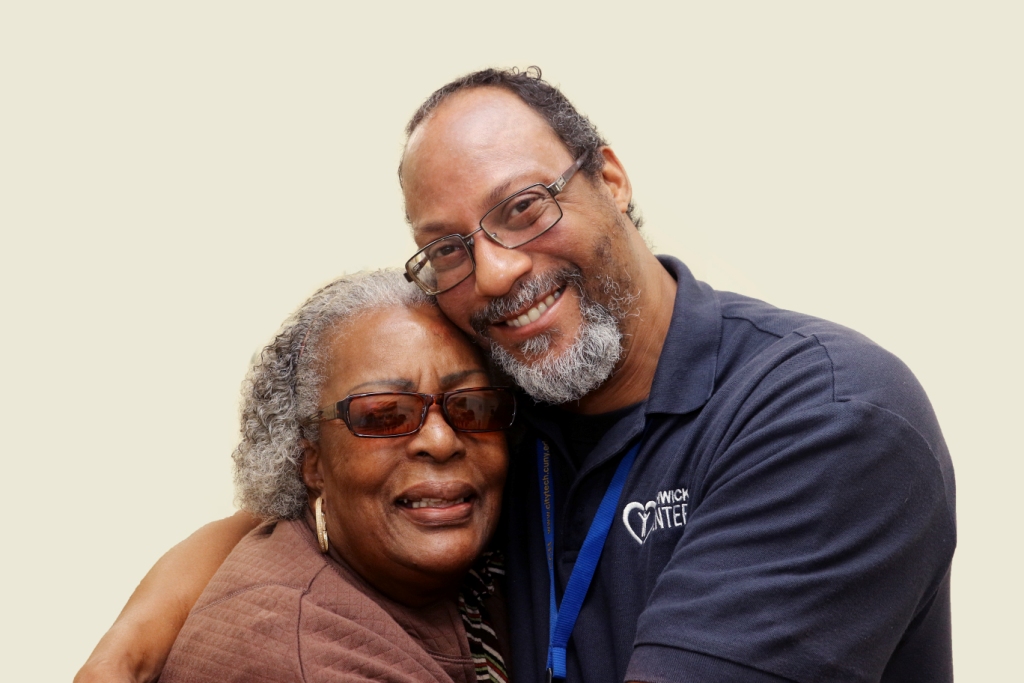
“What’s Up With Grandma?” Explaining Alzheimer’s & Dementia to Young Children
Words alone can’t describe the difficulty a family goes through when a loved one succumbs to dementia or Alzheimer’s disease. It’s hard seeing your parent’s slow but inexorable transformation into someone very different. But young children are often the most confused, and frightened. Why can’t their grandpa remember who they are? And why are they acting strange? Explaining these diseases to a child is difficult, but not impossible. Here are some ways you can explain to your child what Alzheimer’s disease and dementia are and what’s going to happen to their grandma or grandpa:
1) Talk to them: Children are smarter than we think. Don’t try to “protect them” by hiding what’s happening. Sit down with them and have a meaningful conversation about their grandparent. Answer any questions they have about Grandma or Grandpa’s unusual behavior and sayings. Ask questions! Find out more about their perspective and if they feel any different about their grandparent, especially if your parent did or said something that unintentionally hurt your child’s feelings.
2) Explain the circumstances as simply as possible: Don’t try to offer deep explanations or clinical instructions. Instead, use simple terms. “Grandpa has an illness that sometime comes with old age that makes him forget things.” “Grandma’s illness sometimes make think she’s in a different place”. Your child will not get it right away, but they usually accept the simple explanations, and they will question you further when they are ready to hear more. Try to be patient and provide as much reassurance as you can. As your child grows, you can provide more specific details about the diseases.
3) Be positive: As tough as it is to care for a parent whose is living with Alzheimer’s or dementia, keep smiling for the sake of your child. If the child sees that you’re still smiling and positive, they’ll be reassured that they don’t have anything to be worried about either.
4) Involve them: Every circumstance is different. If your parent’s Alzheimer’s or dementia isn’t too severe, you should still have your children spend time with them or involve them in their care, even if it’s just sitting and talking with their grandparent. If your parent lives in a nursing home or assisted living facility, take your children with you for your next visit. A simple walk, chat, or game can go a long way in make sure that your child still has a good relationship with their grandparent. It will lift your parent’s spirits, and yours as well.
It can be stressful making sure your parent is getting the treatment and the attention they need for their Alzheimer’s or dementia. Centers Health Care has several facilities with specific programs for those that have Alzheimer’s or dementia. Contact us today for more information. We’ll do all that we can to help you and your parent.

Meet Lyle DeKaye, Brooklyn Center’s Director of Social Services
Lyle DeKaye is one of the first friendships our new residents make when they arrive at the Brooklyn Center. And with over 200 residents, Lyle sure has made a lot of friends!
A graduate of York College and with a Master’s Degree from Lehman College, Lyle has always planned on doing something to help people. His academic background in social work is put into practical use helping our residents every day at Brooklyn Center, working together to achieve successes of every size.
At Brooklyn Center, Lyle has the opportunity to work closely with both residents as well as their families, and he finds that to be the perfect blend. Helping others is its own reward, and he relishes all their achievements whether big or small. Of course, bringing a smile to everyone’s face is just part of what Lyle does at Brooklyn Center.
Lyle’s trademarks include welcoming new residents to our community and helping them get settled. He also helps counsel family members who may have never had any experience with a nursing home before, making sure they understand how Brooklyn Center cares for its residents and ensures that all their questions and concerns answered. After all, home is where we belong and where we feel safe.
Brooklyn Center is part of the Centers Healthcare network; New York, New Jersey and Rhode Island’s premier group of skilled nursing, rehabilitation and senior care services. To speak to a healthcare specialist and find out more about Brooklyn Center, contact us by phone 24/7 at 718.252.9800, or visit us at 1455 Coney Ave, Brooklyn, NY 11230.
Heart. Health. Home.
It’s Official: Brooklyn Center is one of the Best Nursing Homes in New York!
Of course all Centers Healthcare facilities are quite amazing, do amazing work and do all we can make sure the residents are happy, healthy and comfortable but we take special pride in what we do here at Brooklyn Center. We are proud to say that all of our hard work has gained special recognition from the U.S. News & World Report which ranks us as one of the best nursing homes in New York.
In order to achieve this great honor, Brooklyn Center has received an overall rating of five stars. This rating is based on state health inspections, the time nurses spend with residents and the quality of medical care. According to the U.S. News & World Report, “on any given day, 1.4 million people, most of them 65 and older, live in nursing homes.” This makes it very important to not only keep up the standard of care, but to surpass it and provide maximum comfort for those who choose us here at Brooklyn Center.
Commitment to providing quality medical support, friendly service and a comfortable environment is what makes us who we are and we will continue to serve our community the best way we can.
We would not have been able to be recognized as one of the best without the great work of our stellar staff and our wonderful residents who make our work worthwhile. We hope to continue to be one of the best places for you or your loved ones to get the care they need.
Brooklyn Center is part of the Centers Healthcare family; New York, New Jersey and Rhode Island’s premier group of skilled nursing, rehabilitation and senior care services. To speak to a healthcare specialist and find out more about Brooklyn Center, contact us by phone 24/7 at 718-252-9800, or visit us at 1455 Coney Island Avenue, Brooklyn, New York.
Heart. Health. Home.